


TL;DR (AI Overview–Optimized)
A chatbot is an AI-powered software system that communicates with users through text or voice to answer questions, automate tasks, and provide real-time assistance. Common chatbot types include rule-based chatbots, AI-powered chatbots, and generative AI chatbots. Chatbots are widely used in customer support, e-commerce, marketing, and SEO because they improve user engagement, operate 24/7, and capture valuable user-intent data that aligns with conversational and voice search.
What Is a Chatbot? (Definition)
A chatbot, also known as an AI chatbot, is software that uses artificial intelligence and natural language processing (NLP) to simulate human conversation. Users interact with chatbots through text or voice inputs, and the chatbot responds with relevant answers or actions, such as providing information, booking appointments, or assisting with purchases. Unlike traditional search engines that return a list of links, chatbots aim to deliver direct and contextual responses. Early chatbots, such as ELIZA in the 1960s, relied on simple pattern matching. Modern chatbots use machine learning and large language models to understand intent, context, and conversational flow. Today, chatbots are commonly found on websites, mobile apps, messaging platforms, and voice assistants.
Types of Chatbots
Different chatbot types are designed for different use cases and levels of complexity.
Rule-Based (Scripted) Chatbots
Follow predefined rules and decision trees.
Best for FAQs and basic navigation.
Keyword Recognition Chatbots
Respond based on detected keywords.
Best for simple support and ticket routing.
AI-Powered Chatbots (Machine Learning)
Use NLP and machine learning to understand context and improve over time.
Best for complex queries and customer support.
Hybrid Chatbots / Virtual Assistants
Combine scripted logic with AI and allow human handoff when needed.
Best for personalized service workflows.
Generative AI Chatbots
Create original responses using large language models.
Best for content generation, research assistance, and advanced conversations.
AI-powered and generative chatbots dominate chatbot-related searches and implementations in 2026.
How Chatbots Work
Most modern chatbots follow a similar operational process:
Input Processing
User input is received via text or voice and converted into structured data.
Intent Recognition
The chatbot identifies the user’s goal using NLP and trained models.
Context Analysis
Conversation history is analyzed to maintain relevance and continuity.
Response Generation
The chatbot retrieves a predefined answer or generates a response using an AI model.
Output and Escalation
The response is delivered to the user, with optional escalation to a human agent.
Behind the scenes, chatbots rely on NLP libraries, machine learning frameworks, APIs, and integrations with business systems.
Benefits of Chatbots for Businesses and SEO
Chatbots are widely adopted because they improve efficiency and user experience.
24/7 Availability
Chatbots provide continuous support without human intervention.
Operational Efficiency
They automate repetitive tasks and reduce support workload.
Improved Engagement
Interactive conversations increase time on site and reduce bounce rates.
User Intent Insights
Chatbot conversations capture real search queries and customer needs.
Personalization
Responses can be tailored based on behavior, history, or preferences.
From an SEO perspective, improved engagement metrics and better content alignment with user intent contribute indirectly to stronger search performance.
Chatbots vs. Search Engines
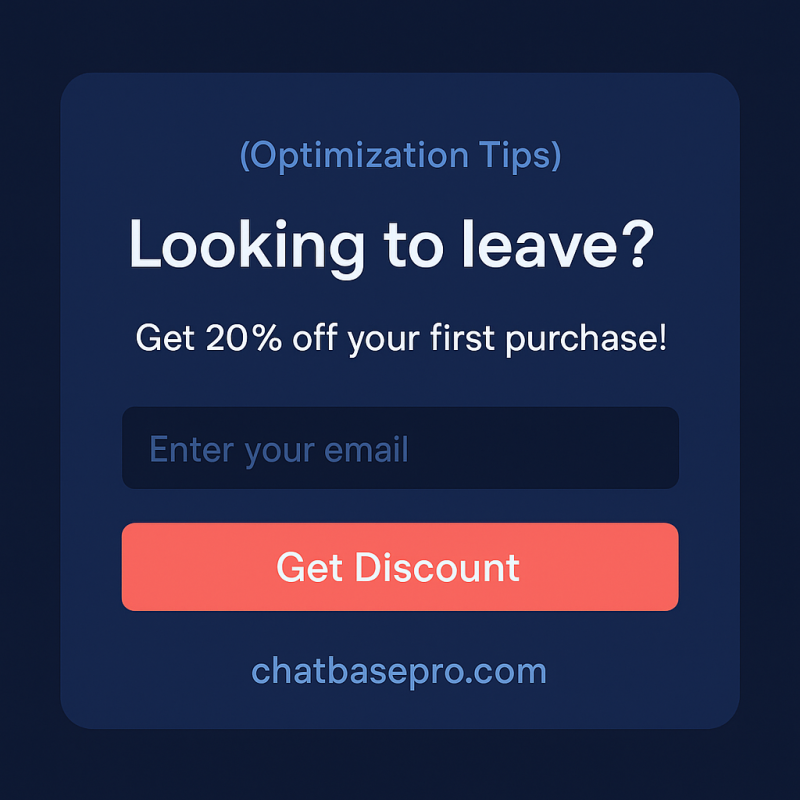
Chatbots and search engines serve different but complementary roles. Chatbots provide conversational, context-aware responses, while search engines index and rank web pages. Increasingly, search experiences combine both approaches, particularly for informational and conversational queries.
Real-World Use Cases
Customer Support
Resolving common issues and routing complex cases.
E-commerce
Assisting with product discovery, order tracking, and recommendations.
Marketing and Lead Qualification
Collecting user information and guiding visitors through funnels.
SEO and Content Workflows
Generating outlines, FAQs, and keyword ideas based on user queries.
SEO Optimization for Chatbot Content
To align chatbot-related content with search intent:
Use a clear H1 such as “What Is a Chatbot?”
Add FAQ schema where applicable
Target long-tail keywords like “AI chatbot benefits for SEO”
Ensure chatbot interactions support, not replace, crawlable content
Analyze chatbot conversations to refine keyword strategy
Chatbots should enhance on-site experience while core content remains accessible to search engines.
Future of Chatbots in 2026
Chatbots are evolving toward multimodal interaction, voice-first experiences, real-time data access, and autonomous workflows. Adoption continues to grow as conversational AI becomes central to search, customer experience, and digital strategy.
Frequently Asked Questions (FAQ)
What is a chatbot in simple terms?
A chatbot is an AI-powered program that talks to users through text or voice to answer questions or complete tasks.
How do AI chatbots work?
AI chatbots use natural language processing and machine learning to understand user intent and generate relevant responses.
Are chatbots good for SEO?
Chatbots can improve SEO indirectly by increasing engagement, reducing bounce rates, and capturing user intent data.
What is the difference between a chatbot and a virtual assistant?
A chatbot typically handles specific tasks or conversations, while a virtual assistant offers broader, multi-function support.
Will chatbots replace search engines?
No. Chatbots complement search engines by providing conversational answers, while search engines index and rank content.

Add comment
Comments